
Think Like DAR: A Smarter Way to Build BI Apps That Actually Get Used
How the DAR Framework Turns Data Into Action
In a world flooded with data, clarity is everything. The Dashboard, Analysis, Reporting (DAR) framework provides a structured yet flexible way to design Business Intelligence (BI) applications that help users not only understand their data but act on it.
DAR isn’t just a technical model — it’s a design philosophy that mirrors how people think: we perceive information, process it, and then act. Through a well-structured flow of Dashboard → Analysis → Reporting, the framework helps users move effortlessly from overview to insight to decision.
The Dashboard is where users start their data journey. It offers a quick, high-level overview of business performance — no digging or clicking required.
In just a glance, executives can spot trends, track KPIs, and determine if operations are running smoothly. Think of it as your data’s command center — simple, visual, and intuitive.
Once users spot something worth investigating, they move to Analysis — the interactive layer of the application.
This is where users roll up their sleeves and dig into the “why.” Each Analysis page should focus on a particular area or question — for example, sales performance, marketing efficiency, or comparative analysis.
These pages are all about curiosity and exploration, enabling users to filter, drill down, and uncover meaningful insights.
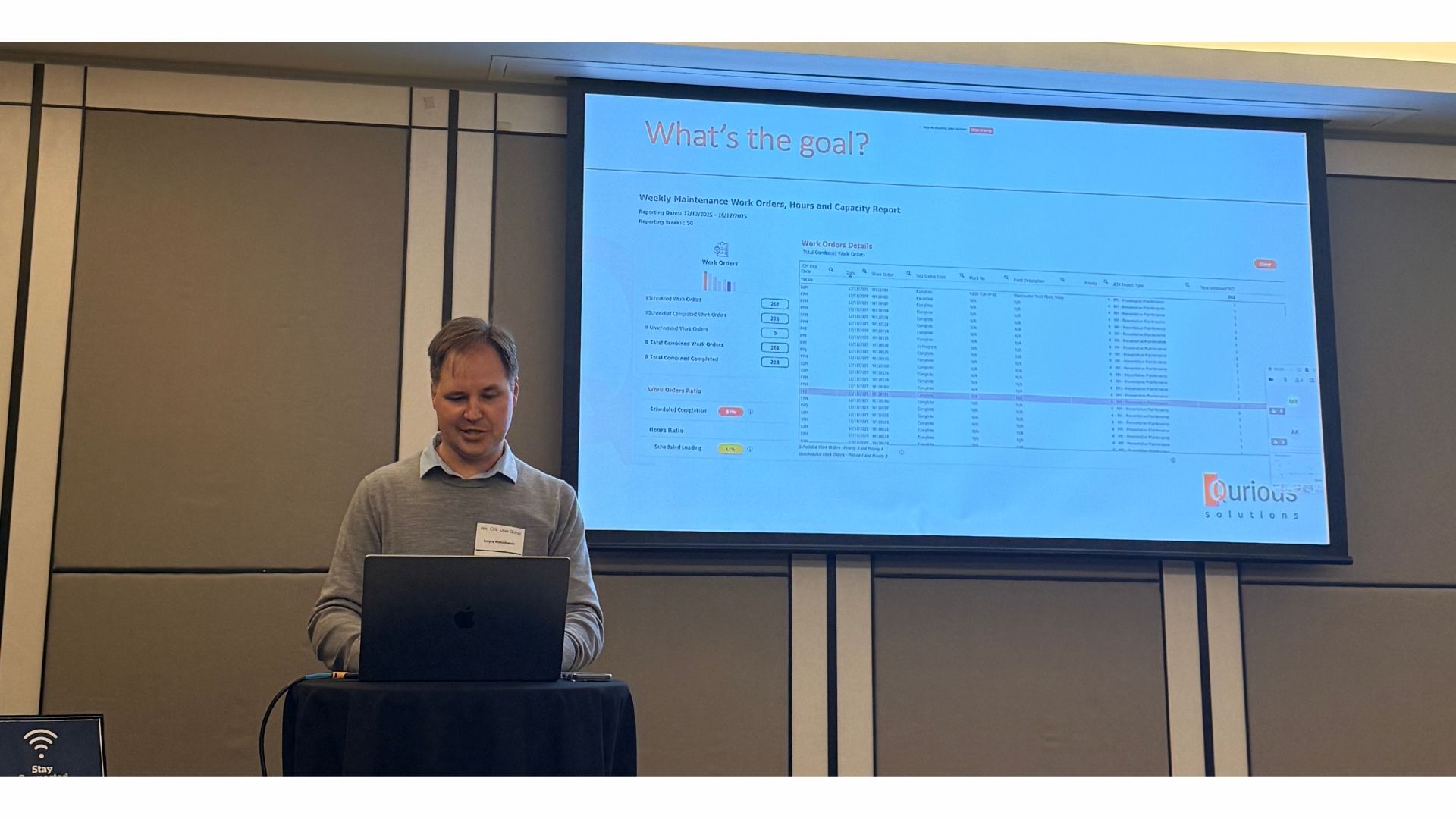
The Reporting layer provides the most granular view of the data — the part where understanding becomes decision-making.
Reports are packed with detailed tables and metrics, helping users verify assumptions, track changes, and take action. It’s the cognitive deep-dive stage of DAR — where insight meets execution
Designing for Every Type of User
When designing BI apps, it’s important to recognize that not all users are the same.
New Users: Bottom-Up Learners
For users new to BI or your app, the DAR structure provides a natural learning path. They start broad, explore deeper, and build confidence as they go. A clean, intuitive interface helps guide them every step of the way.
Experienced Users: Top-Down Experts
Seasoned users know exactly what they want — and expect flexibility. These users benefit when your app aligns with their business goals. Defining clear KPIs and requirements early ensures you meet (and often exceed) their expectations.
The DAR Cycle: From Insight to Action — and Back Again
DAR isn’t a one-way journey. Users can move freely between Dashboard, Analysis, and Reporting — exploring, acting, and returning to see results.
This ongoing cycle mirrors real-world cognition: observe → analyze → act → reassess. By embracing this natural rhythm, the DAR framework transforms BI tools from static dashboards into dynamic, decision-driving ecosystems.